
How To Use Lavender Herb (for home, body, and food)

Last updated on April 30, 2025 by Jess Healey
Originally published on February 27, 2018
Lavender—the beautiful flower beloved by gardeners, herbalists, and bees alike—is a true powerhouse botanical. This multipurpose herb is prized for its delicate, calming scent, and every part of the plant can serve us well in body care, household routines, and even cooking.
Get started using lavender in your daily life with this simple guide to lavender for body, home, and food!
Lavender for the Body
This lovely and aromatic herb is known for being anti-fungal and anti-inflammatory. These properties make it a fantastic addition to body products, and the scent alone makes it a delight to use. Lavender’s calming aroma can soothe both the body and mind—topically or internally.
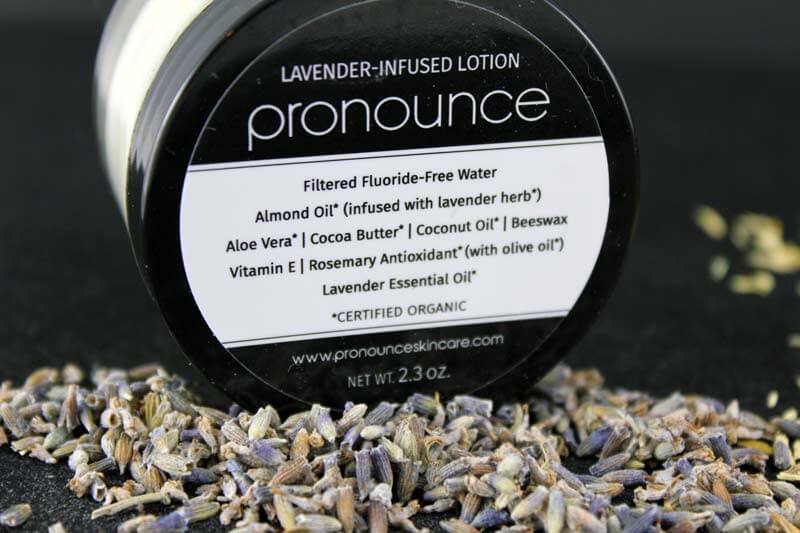
Pronounce’s Founder Jess absolutely adores using lavender herb (and lavender essential oil!) in her handcrafted organic skincare recipes. Don’t miss her luxurious Lavender-Infused Body Lotions and Lavender Deodorant.
Heal
Lavender is well known for its ability to help heal burns and minor wounds. Thanks to its anti-fungal properties, it’s also a great addition to healing salves.
Calm
Lavender tea is a gentle way to support restful sleep and ease anxiety. You can also create a gorgeous sugar scrub using lavender for a calming self-care ritual.
Soften
Dry skin? Lavender’s soothing properties can help soften even the roughest patches—especially when used in lotions or oils. Check out Jess’s Lavender-Infused Body Lotions for a nourishing treat.
Massage
Lavender essential oil is a natural fit for massage blends, enhancing the relaxing experience and offering subtle softening benefits for the skin.
Lavender for the Home
All the reasons lavender works wonders for your body make it an equally wonderful addition to your home.
Moths
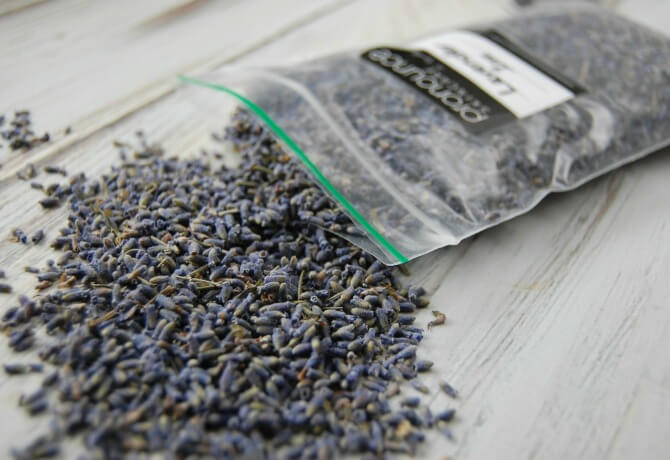
Tuck dried lavender blossoms into sachets for closets and drawers to help deter moths and freshen fabrics.
Diffuse
Add a few drops of lavender essential oil to your diffuser at night to encourage deep sleep and infuse your space with a clean, calming aroma. You can also DIY your own essential oil reed diffuser with lavender.
Cleaning
Lavender essential oil’s anti-fungal properties make it ideal for natural cleaning products. Add it to homemade laundry soap for a refreshing scent, or spritz it onto a yoga mat to fight off sweaty smells.
Decorate
Lavender brings a touch of natural beauty to your home. A small vase of dried blossoms or a lavender wreath makes a lovely display—and a subtly sweet scent.
Lavender as Food
Lavender can also have a place in your kitchen! It may not be the first spice you grab, but don’t overlook its subtle floral charm. Start small and get creative—you might be surprised.
Marinade
Use 2 teaspoons of fresh lavender (or 1 teaspoon dried blossoms) in marinades for beef or chicken for a delicate, floral twist.
Infuse
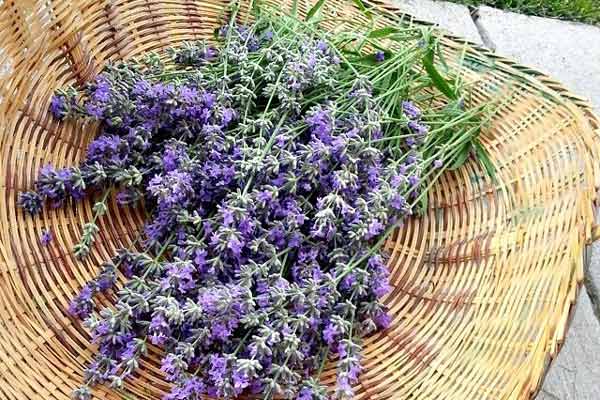
Layer fresh lavender blossoms with sugar in a jar and let it sit for a few weeks. The sugar will absorb the lavender’s aroma and take on a soft purple hue—perfect for cookies, cakes, and sweet treats.
Drinks
Lavender lemonade or cocktails? Yes, please! It’s perfect on a hot day. For colder months, add a pinch of lavender to herbal hot chocolate (or try it with our DIY hot cocoa and homemade marshmallows) for a warm, floral hint of summer.
A Final Note
With all of these amazing uses, it’s easy to see why lavender has earned a spot in so many hearts and homes. From your bathroom cabinet to your spice rack, this herb can do it all.
Just be sure to grow your lavender organically or purchase high-quality, organic dried lavender from a trusted source.
A Few Precautions…
Lavender is generally considered safe, but it isn’t for everyone:
Pregnant or nursing? Check with a qualified herbalist or your healthcare provider before using it medicinally.
On prescription meds? Always confirm with a pharmacist or doctor before adding lavender to your routine.
Using it on children? Be sure to dilute essential oils properly.
Allergies? Avoid lavender if you or someone in your home is allergic.
When in doubt, consult a trained professional.
xo, Jess



there are many types of lavender. which type do you plant to use for most of your needs
Hi Ingrid! We like Lavandula angustifolia (English lavender)! ?
Lavender is my all time favorite. I love using it in the home as well as in food!
Relly thanks for giving that important information about the levender
You are so welcome…thanks for reading! 🙂