DIY Sunscreen Recipe with Zinc Oxide
Last updated on February 6, 2026 by Jess Healey
Originally published on January 19, 2017
Editor’s Note
This post has been archived and is no longer actively maintained. Since it was originally published, regulatory standards and best practices around sun protection and skincare education have evolved.
This content is preserved for historical context only and is not presented as current guidance or recommendation. The original recipe has been removed from this post.
Why I Created This DIY Sunscreen (and Why You Might, Too)
If you’re looking for a non-toxic sunscreen made with ingredients you can pronounce—and actually feel good about putting on your skin—you’re in the right place.
Years ago, I created this DIY sunscreen because I couldn’t find anything on store shelves that didn’t make me cringe. As someone with eczema and a long-time love of research (yes, I even have a minor in chemistry), I knew there had to be a better way.
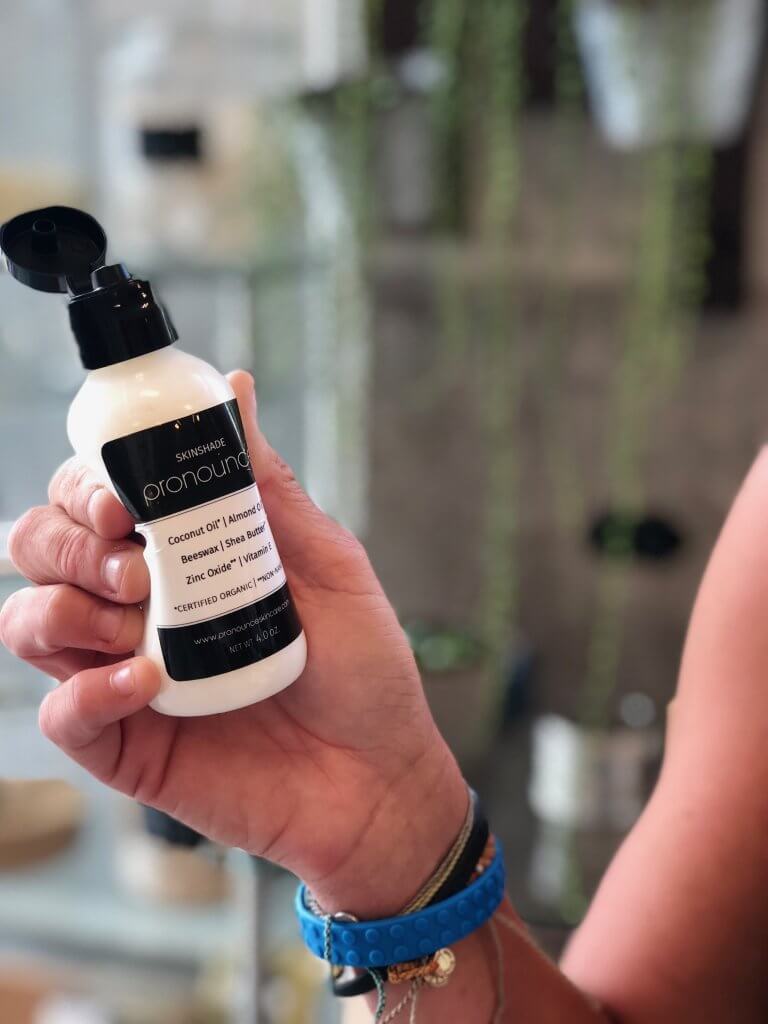
Back in the day, this exact recipe became the foundation of a product I handcrafted and sold by the thousands. I called it SkinShade. Now, I’m sharing the original version here with you, so you can make it yourself at home—no shop required.
This isn’t just a “kitchen experiment.” I’ve spent years learning how each ingredient works, where it shines, and where we need to be careful. I’m not claiming this is a lab-tested SPF product (more on that below), but this formula is based on ingredients that are well-studied for their protective properties—especially zinc oxide.
Let’s walk through the science, the ingredients, and how to make your own batch with confidence.
What’s in Conventional Sunscreen (And Why I Avoid It)
For many years, I used over-the-counter sunscreens without thinking twice. But once I started researching the ingredients—especially for my son and for my eczema-prone skin—I couldn’t unsee what I learned.
Why This DIY Sunscreen Works
The star ingredient in this DIY sunscreen is non-nano zinc oxide, a mineral UV filter that provides broad-spectrum protection by sitting on the skin’s surface and physically blocking both UVA and UVB rays.
Unlike many chemical sunscreen ingredients—which absorb into your bloodstream and may disrupt hormones—zinc oxide is not systemically absorbed, and it’s one of only two active ingredients the FDA classifies as Generally Recognized As Safe and Effective (GRASE) for use in sunscreens.
FDA: Final Sunscreen Order – GRASE Ingredients
This mineral has been used for decades, especially in baby and sensitive skin formulations, because it’s gentle, effective, and reef-safe. While this homemade recipe hasn’t undergone lab SPF testing, it uses the same key active that many commercial mineral sunscreens are based on—zinc oxide—backed by published research on its UV-blocking power.
Study: Zinc Oxide & Sunscreen Efficacy
⚠️ Note: Because this has not been professionally tested for SPF, I recommend using it for low-exposure situations (short hikes, gardening, errands), not full-day sun events or for babies under 6 months. Reapply often, as needed.
Ingredients Breakdown (And Why I Chose Them)
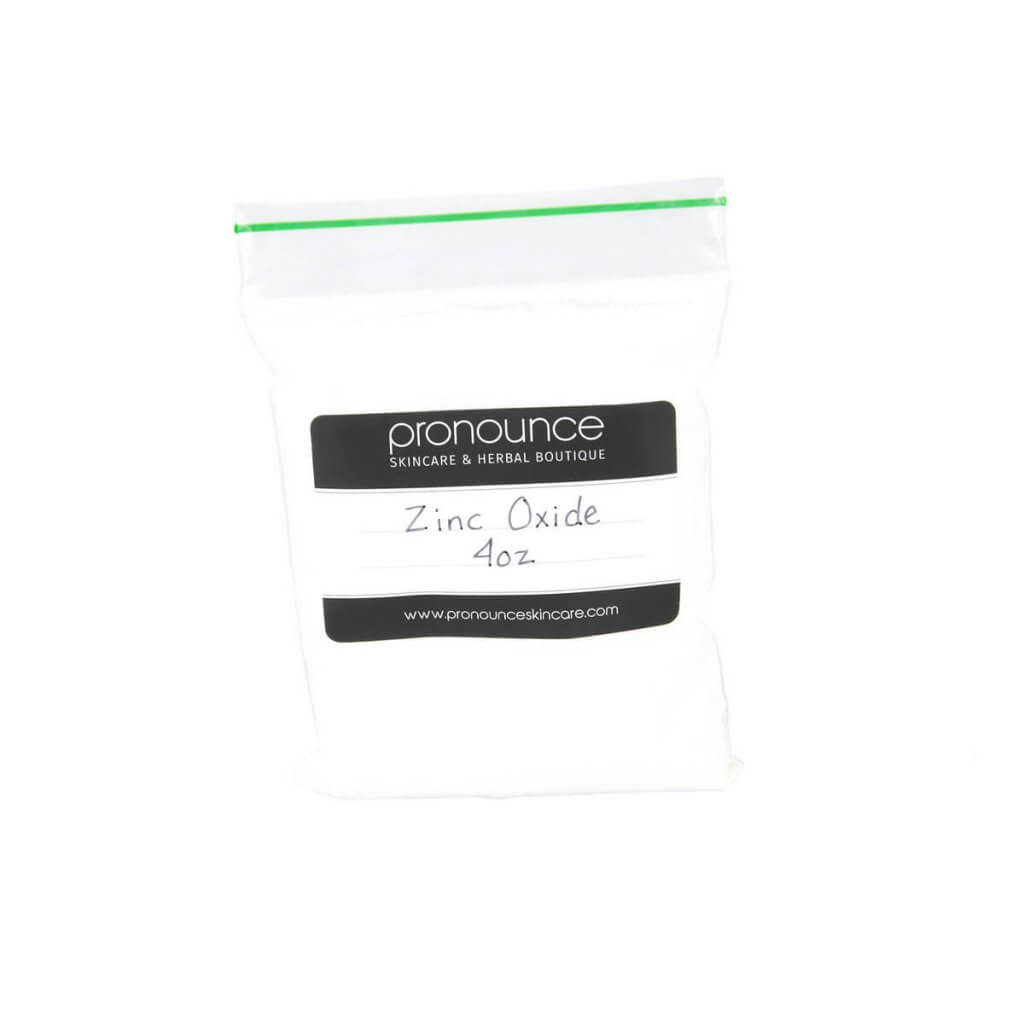
Non-Nano Zinc Oxide (essential)
This is the active ingredient that offers UV protection. I use non-nano, uncoated zinc oxide to ensure it stays on the surface of your skin rather than absorbing into it.
Shea Butter and Coconut Oil (moisturizing base)
Both of these are required ingredients in this recipe and work together to moisturize and soften the skin. Coconut oil adds a bit of natural UV resistance and gives the sunscreen its spreadable consistency, while shea butter is soothing and deeply nourishing—especially for sensitive or eczema-prone skin.
This is a great shea butter (organic, sustainably sourced, smooth and rich!)
Beeswax or Candelilla Wax (optional, for consistency)
Waxes help thicken the final product and give it staying power—especially if you want to make it more balm-like or pour it into a stick. For a vegan version use candelilla wax. It is harder than beeswax and more dense, so you’ll want to add a bit less.
Vitamin E Oil (antioxidant + shelf-life extender)
This helps prevent your oils from going rancid too quickly and offers additional skin benefits. Just a little goes a long way.
Carrier Oil (like jojoba, almond, or grapeseed)
Choose what works for your skin type. Jojoba feels dry and absorbs quickly, almond is great for sensitive skin, and grapeseed is super lightweight.
Learn more about carrier oils in our detailed post here
Purchase quality carrier oils here (where I sourced them when I made SkinShade!)
Essential Oils (optional)
Only use skin-safe essential oils—and never assume they add SPF. Some oils (like lavender or frankincense) can be calming or antimicrobial, but they don’t replace UV protection.
Here is a very handy dilution chart!
Plant Therapy essential oils are top notch, but use your favs
Note: Essential oils are completely optional. Skip them if you’re making this for babies or people with sensitive skin. Also, do your research. Some essential oils may be phototoxic!
DIY Sunscreen Recipe
This is the exact sunscreen recipe I’ve made and used for years. It’s easy to follow, completely natural, and customizable based on your skin needs. While it hasn’t been lab-tested for SPF, it uses non-nano zinc oxide—the same active ingredient found in many commercial mineral sunscreens.
How to Use It
- Apply generously to clean, dry skin before sun exposure.
- Reapply at least every 1–2 hours, especially after sweating or swimming.
- This is best used for short-term outdoor time—like gardening, hikes, or errands—not long days at the beach.
- Avoid using on babies under 6 months of age unless advised by your pediatrician.
Storage + Shelf Life
- Store in a clean, airtight container out of direct sunlight.
- Shelf life is typically 6–12 months, depending on the freshness of your ingredients.
- If the texture changes or it starts to smell off, it’s time to make a fresh batch.
Is Homemade Sunscreen Safe?
Homemade sunscreen can be a thoughtful alternative when made with well-studied ingredients like non-nano zinc oxide. That said, it hasn’t gone through lab SPF testing, which means the exact level of sun protection can’t be guaranteed. I personally use this recipe for low-exposure settings (like gardening or short hikes) and reapply often. It’s not a substitute for professionally formulated SPF during full days in the sun.

DIY Sunscreen FAQs
Can you make sunscreen at home safely?
Yes, you can make sunscreen at home using ingredients like non-nano zinc oxide, which physically blocks UV rays. Just be mindful: without SPF testing, you won’t know the exact protection level. Use it for short outdoor stretches and reapply often. Skip it for babies under 6 months and always consult your doctor if you’re unsure.
Does zinc oxide really protect skin?
Yes—zinc oxide is a well-established mineral UV filter that protects against both UVA and UVB rays. It sits on top of your skin (instead of being absorbed) and reflects sunlight. The FDA classifies it as GRASE (Generally Recognized As Safe and Effective) for over-the-counter sunscreen products.
Can essential oils provide SPF?
No—essential oils should never be relied on for sun protection. While some oils may offer minimal antioxidant benefits, they don’t block UV rays. If you use essential oils in this recipe, it should be for scent or skin benefits only—not SPF.
Do homemade sunscreens expire?
They can. Your DIY sunscreen’s shelf life is usually 6 to 12 months, depending on the freshness of your ingredients and how it’s stored. Keep it in a cool, dry place, and watch for changes in texture, smell, or color. When in doubt, make a fresh batch!
What’s the difference between nano and non-nano zinc?
Non-nano zinc oxide means the particles are too large to penetrate the skin, which is why many people choose it for DIY recipes. Nano zinc oxide may be more transparent on the skin but could have different absorption or environmental concerns. I always use non-nano, uncoated zinc oxide in this recipe.
Final Thoughts
There’s a lot of noise (and confusion) out there about sunscreens—what’s safe, what’s effective, and what’s best for your skin. I created this DIY mineral sunscreen recipe because I wanted something simple, natural, and backed by research that I felt good putting on my own skin and my son’s.
This recipe isn’t a replacement for every sun-filled situation—but for our daily outdoor moments, it’s been a trusted go-to for years. I hope it brings that same peace of mind to you.
If you give it a try, I’d love to hear how it goes for you! Drop a comment below or tag me on social media. I always love seeing your homemade creations.
Grab your Free copy
Love this recipe? Grab my free DIY Skincare e-Book!
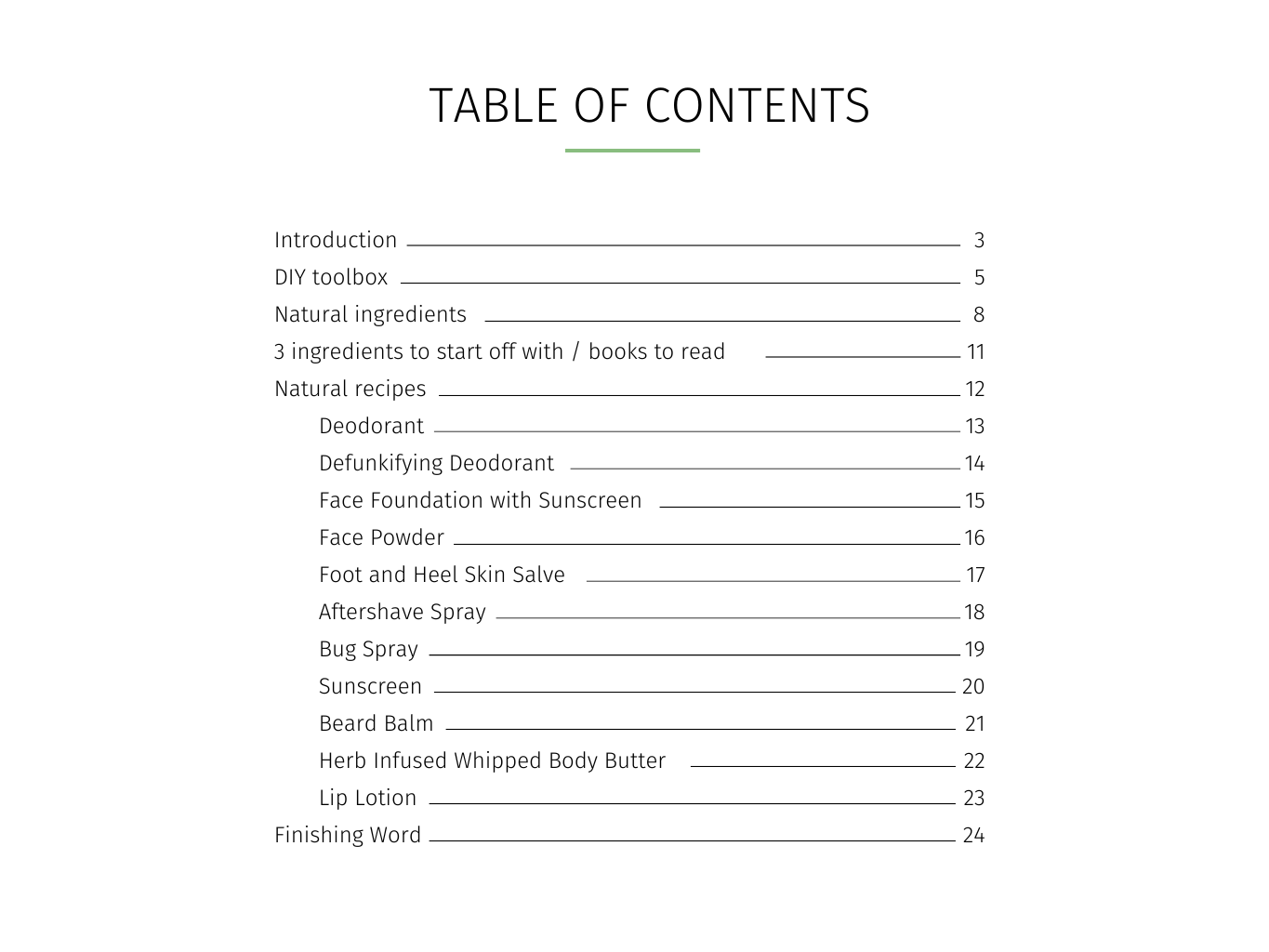
Get The Best of Pronounce—a free, beautifully designed guide featuring my most-loved DIY skincare recipes using ingredients you can actually pronounce. From body butter to deodorant to lip balm, it’s everything you need to start creating your own safe, nourishing skincare at home.